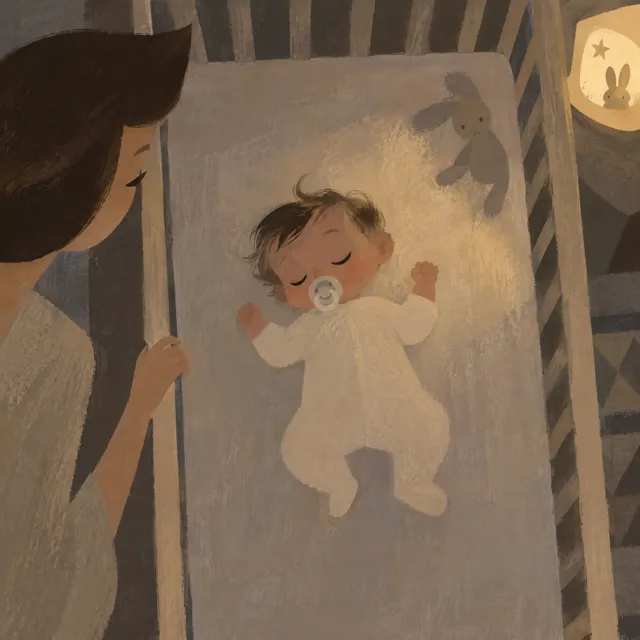
What to do when the crying makes you feel angry, desperate or close to losing control, and where to find help.
In short
- Many parents feel angry or desperate sometimes.
- Put her down safely and walk away.
- Never shake a baby.
You are not alone
A crying baby is hard to listen to. Your brain is made to find her cry uncomfortable.
There may be times when you are so tired and angry that you feel you cannot take any more. This happens to a lot of parents. Do not be ashamed to ask for help.
Crying tends to increase from about 2 weeks old. It slowly eases from around 3 months.
If you feel you might lose control
If you feel you might lose control, put her down safely in her cot. Close the door. Go into another room.
Walk away for a few minutes. Set a time limit, for example 10 minutes. Take some slow, deep breaths.
When you feel calm, go back and check on her.
Never shake a baby
However frustrated you feel, never shake her. Shaking moves her head violently. It can cause brain damage. It can cause bleeding around her brain or behind her eyes. Nearly all shaken babies are left with serious, lasting harm.
Never shout at her either.
Call someone
Call someone you trust, like your partner, a friend or a relative. If someone can look after her for a while, let them.
Help is available. Talk to your doctor or health visitor. They can support you. They can also look for a cause of the crying. A note of when she cries helps them.
Up to 1 in 5 mothers and 1 in 10 fathers have depression or anxiety during pregnancy or in the first year. Feeling low or hopeless can be a sign of postnatal depression. Tell your doctor or health visitor.
Sources
- NHS Soothing a crying baby
- NHS Best Start in Life Understanding your baby
- NHS Sleep and tiredness after having a baby
- NHS Postnatal depression
- NHS Best Start in Life Your mental health
- NHS Where to get urgent help for mental health
- CDC About abusive head trauma
- NHS When to get urgent medical help for babies and children under 5